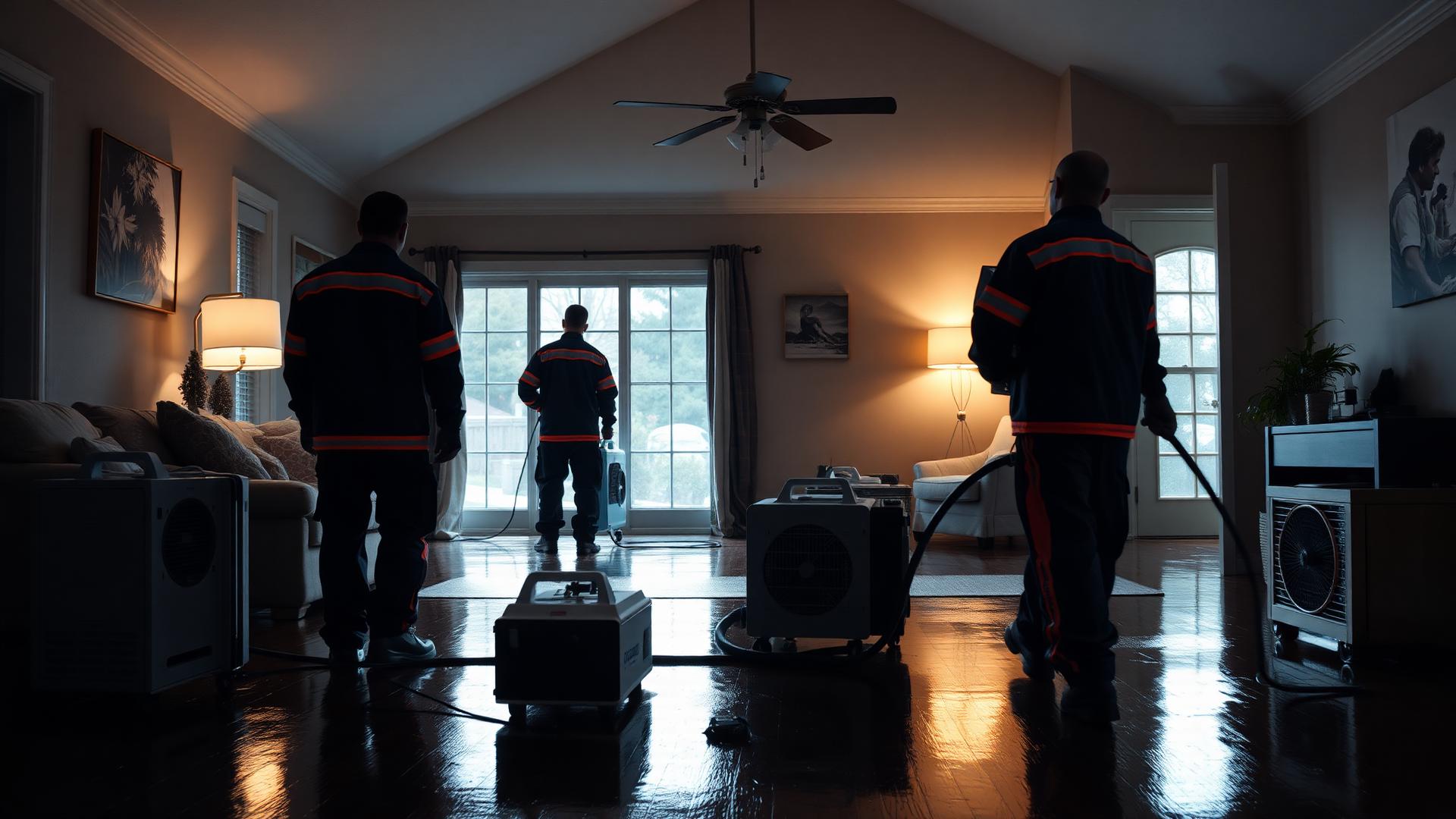
Damage happens fast.We move faster.
Water, fire, smoke, and mold restoration for homeowners and property managers from Seattle to Puyallup. Tell us what happened and get a free, insurance-ready assessment by email.
- 24/7
- Request intake
- IICRC
- Trained crews
- All
- Carriers billed
What we restore
Three specialties, one crew, one point of contact from first inspection to final clearance.
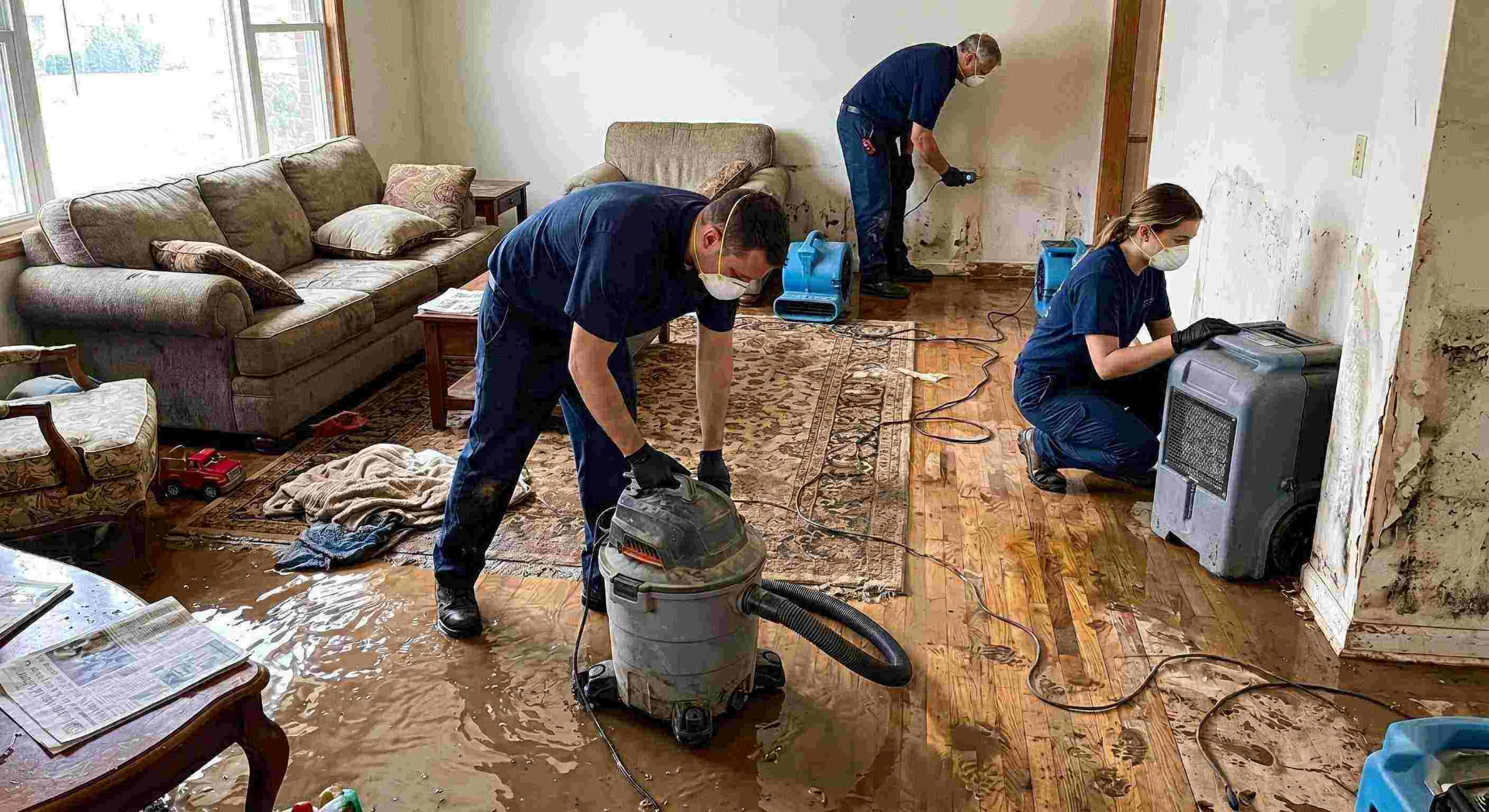
Water Damage Restoration
Burst pipes, appliance leaks, storm flooding, and crawlspace saturation — extracted, dried, and documented.
Learn more →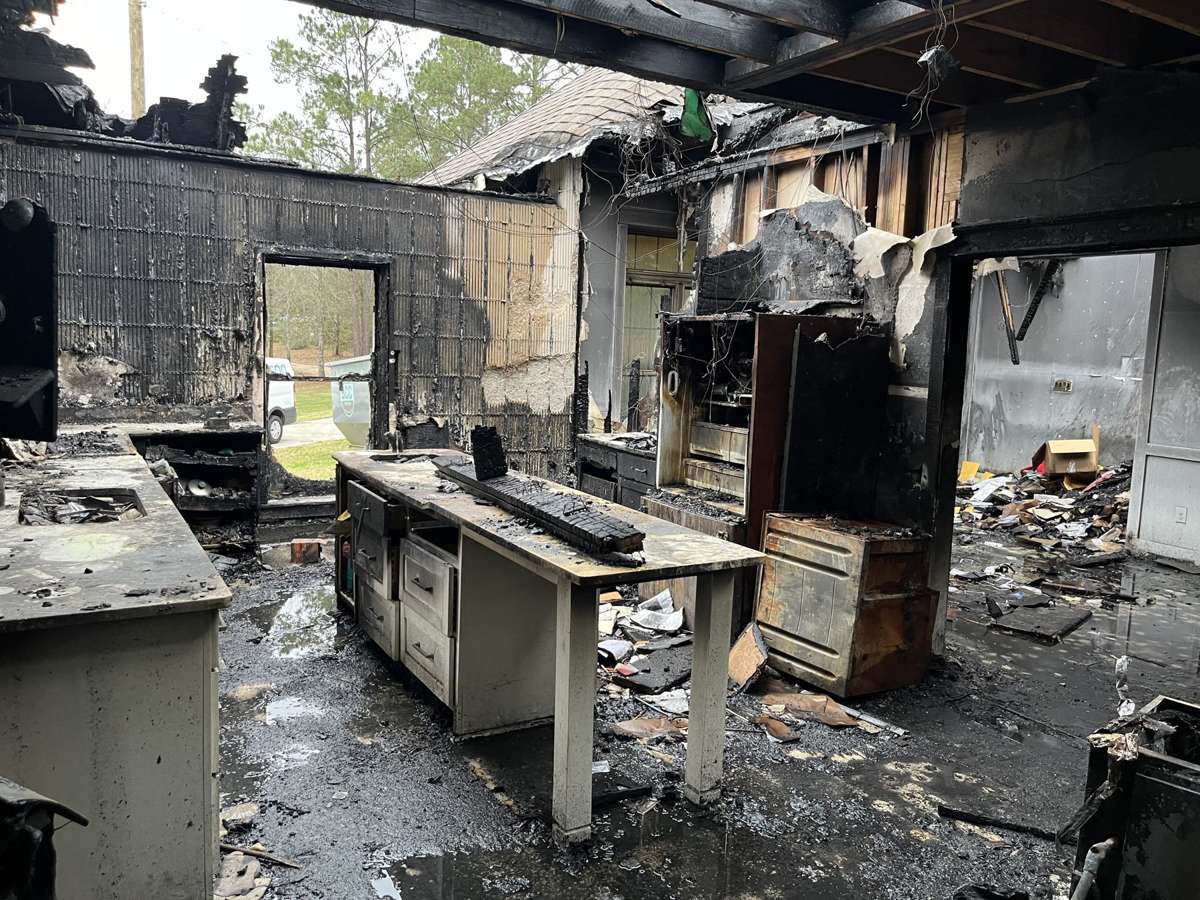
Fire & Smoke Restoration
Soot removal, odor neutralization, contents cleaning, and structural repairs after fire or smoke events.
Learn more →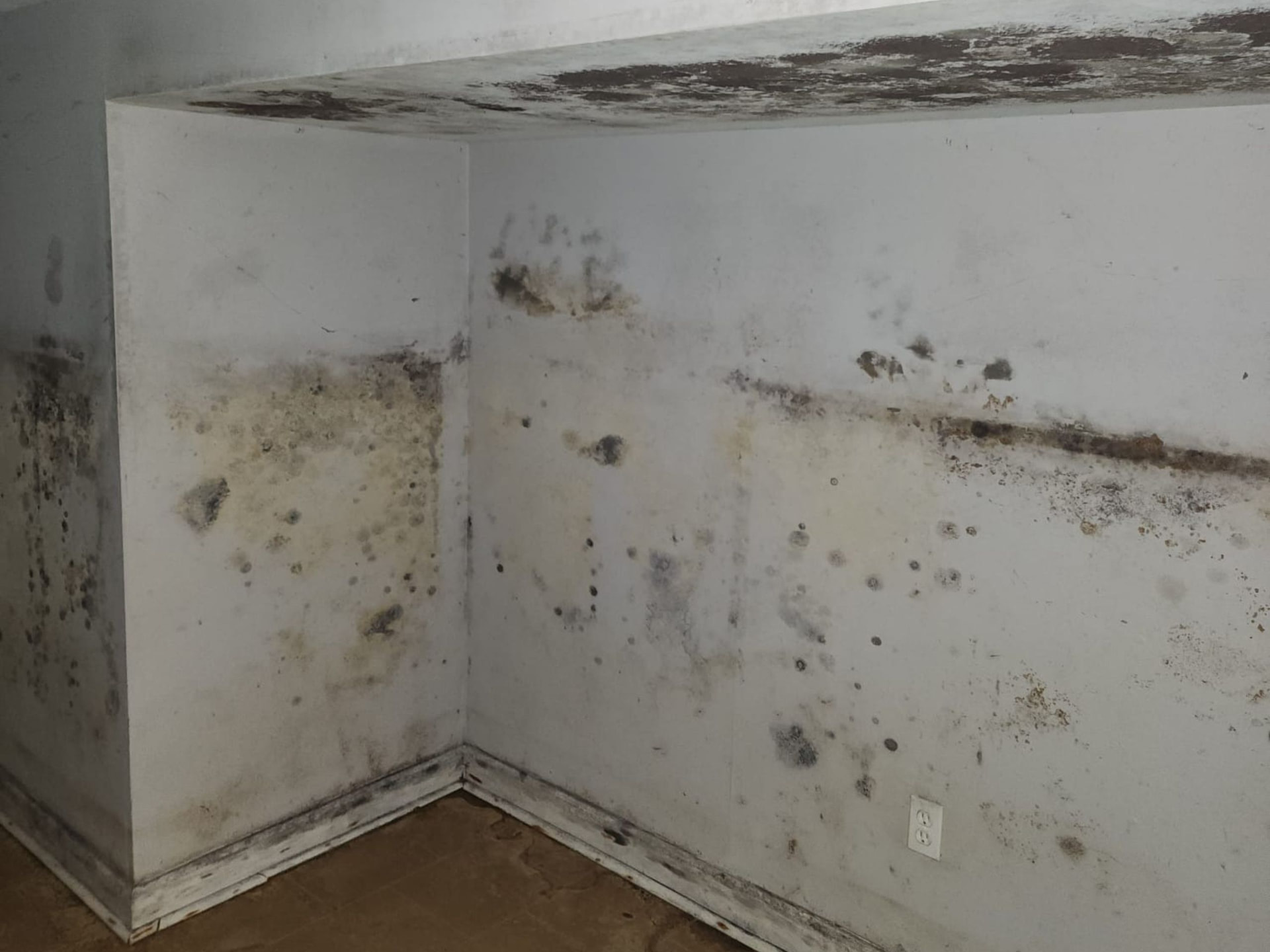
Mold Inspection, Removal & Cleanup
Moisture mapping, containment, HEPA remediation, and clearance testing for Pacific Northwest homes.
Learn more →
Why homeowners call the husky
On site same day
Local crews staged across King and Pierce County — no out-of-state franchise dispatch.
Insurance-ready files
Moisture logs, photos, and line-item scopes your adjuster can approve without back-and-forth.
Verified dry, not guessed
We document drying standards and mold clearance before we call a job finished.
How it works
- 1
Send the details
Fill out the form with what happened and where. It takes about a minute.
- 2
Free assessment
We confirm scope by email and schedule an on-site inspection with moisture readings.
- 3
Mitigate & restore
Extraction, drying, cleaning, or remediation — with daily documentation.
- 4
Claim support
You get a complete photo and moisture file to hand your insurance carrier.
Serving King & Pierce County
Seattle · Bellevue · Renton · Kent · Federal Way · Auburn · Tacoma · Puyallup · Lakewood · Gig Harbor · Sumner · Bonney Lake and surrounding communities.
Start my free assessmentRestoration in the Puget Sound, explained
Seattle Rapid Restoration is a lead-routing service for Washington property owners. When something goes wrong — a supply line lets go at 2 a.m., a kitchen fire fills the house with smoke, a home inspection turns up mold in the crawlspace — you send us the details and we match you with a licensed, IICRC-trained restoration contractor working your area. We don't perform the work, we don't take a fee from you, and there's no obligation.
The reason we operate this way is simple: the restoration market is crowded with out-of-area franchises and storm chasers, and homeowners in the middle of a loss have no practical way to sort them out at the moment they need to decide. Narrowing the field to crews that actually work King and Pierce County — and that document jobs to a standard an adjuster will accept — removes most of that risk.
The three losses we handle most
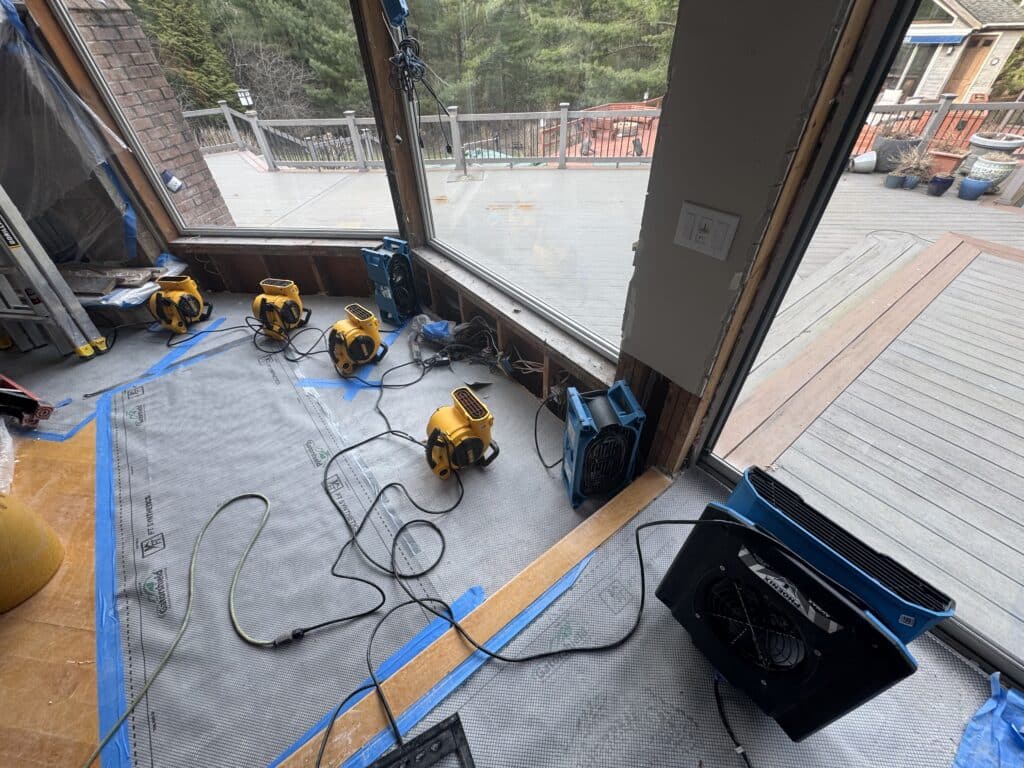
Water damage is the volume leader, driven by winter pipe failures, aging water heaters, appliance supply lines, and valley-floor groundwater in Kent, Auburn, Sumner, and Puyallup. Success is measured in hours: extract, then dry to a documented standard before microbial growth starts around the 48-hour mark.
Fire and smoke jobs are misunderstood most often. The fire is usually contained to one area; the smoke residue and the suppression water affect the whole structure. Acidic residues keep etching metal and finishes until they're neutralized, so sequencing — stabilize, dry, clean, then deodorize — decides how much of your home is salvageable.
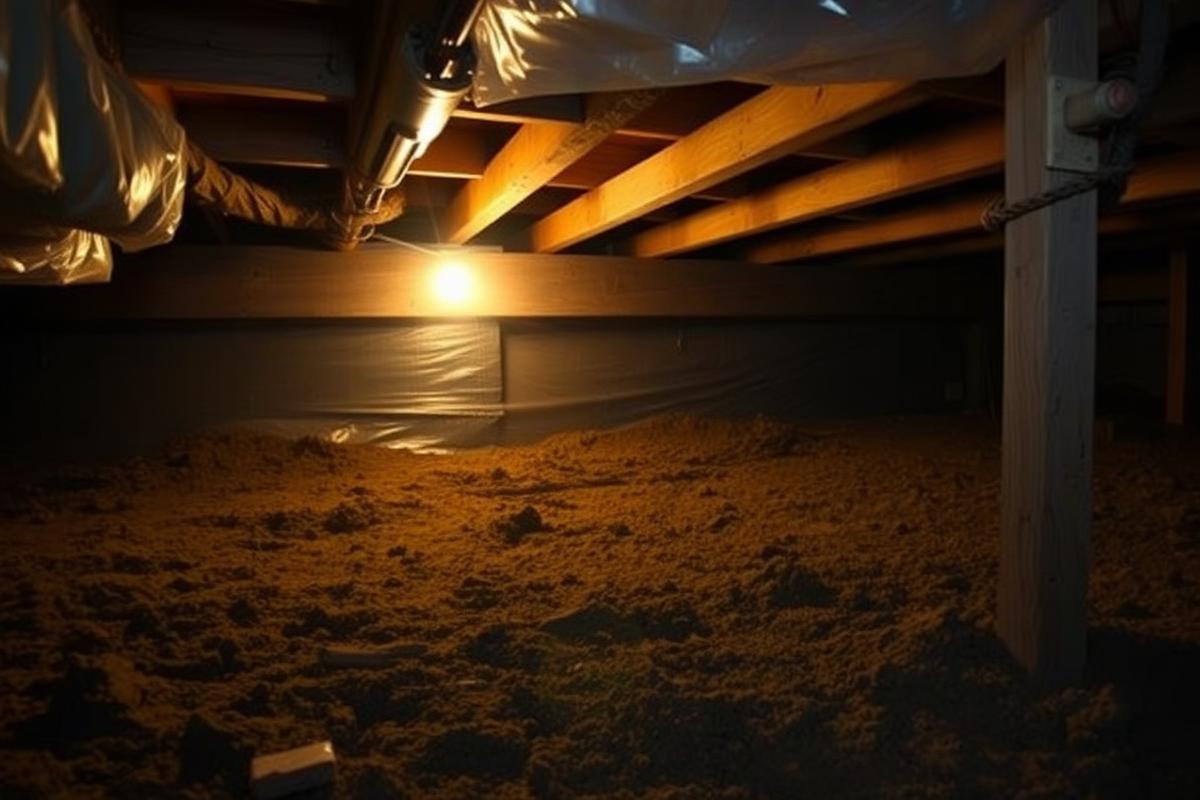
Mold is a chronic condition here rather than an accident. Cool, wet months from October through May, unvented crawlspaces in older Seattle and Tacoma homes, and bath fans that vent into attics give growth everything it needs. Removing it without correcting the moisture source guarantees a repeat visit.
What a good restoration file contains
- Photos taken before anything is moved or removed, including the failure point.
- Moisture readings from the same locations each day, plus a dry standard from an unaffected area.
- A line-item scope in the format your carrier prices from, not a lump-sum estimate.
- An inventory of contents separated into salvageable and non-salvageable with reasons.
- Equipment logs showing what ran, where, and for how long.
- Clearance or final verification results before the job is called complete.
Common questions
- Do you charge for the assessment?
- No. Sending your details and getting a written assessment from a local crew is free, and you're never obligated to hire the company we connect you with.
- Why is there no phone number on this site?
- Everything runs by email so there's a written record of what you reported and when — which is exactly what an insurance claim needs. Requests are reviewed around the clock.
- How quickly will I hear back?
- Most requests get a reply the same day, and emergency water losses are routed first because drying time drives the entire cost of the job.
- Do you work with insurance companies?
- The crews we route to bill all major carriers directly and build documentation — moisture logs, photos, line-item scopes — in the format adjusters price from.
- Do you handle commercial and rental properties?
- Yes. Multifamily buildings, rentals between tenants, and small commercial spaces across King and Pierce County are all common jobs.
Why Seattle homes flood, burn, and grow mold differently
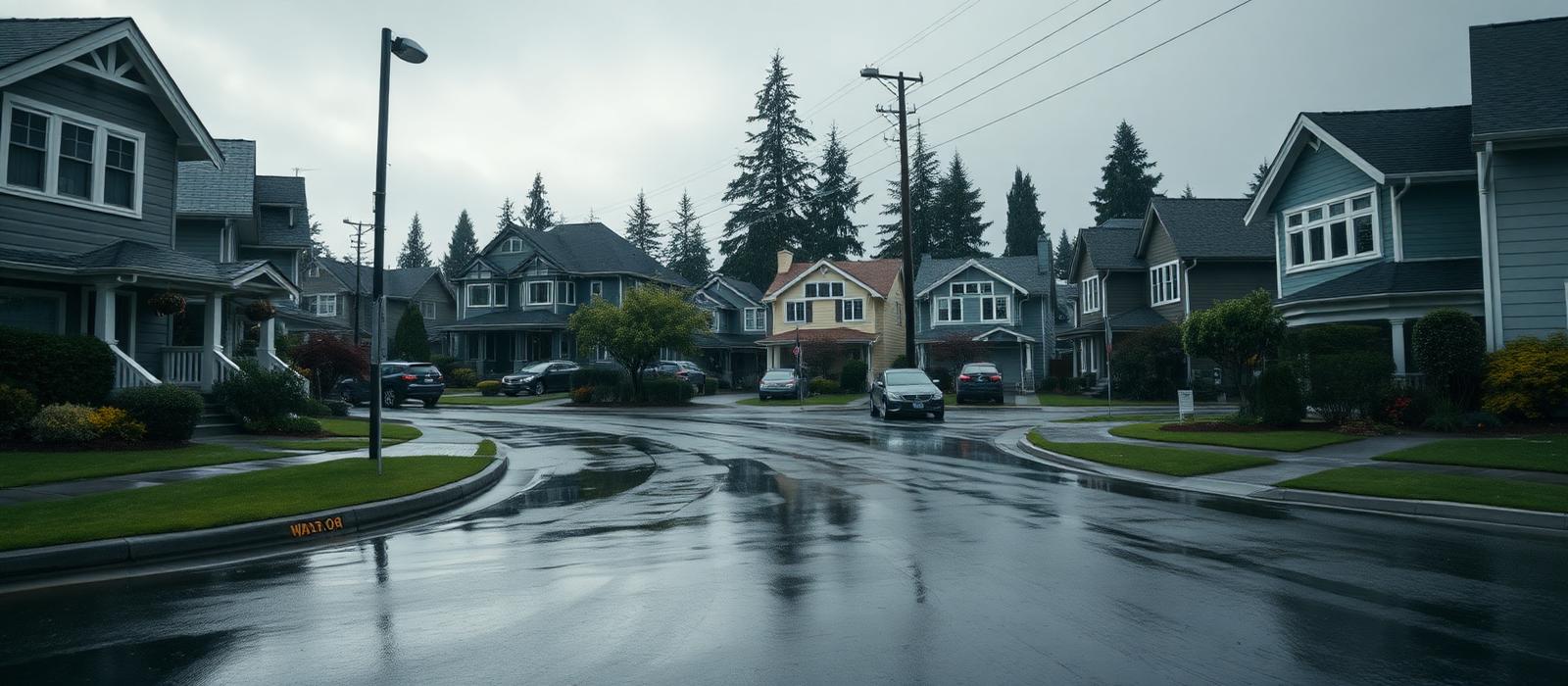
Search volume for water damage restoration Seattle spikes twice a year, and both spikes are weather-driven. The first arrives with the November atmospheric rivers, when saturated soil pushes groundwater against foundation walls in Kent, Auburn, Sumner, and the Duwamish flats. The second comes after a hard freeze breaks, usually in January, when uninsulated hose bibbs and garage-wall supply lines split and then thaw into a full open line. Neither event announces itself. A homeowner in Ballard finds a soft baseboard; a property manager in Renton gets a call about a ceiling stain in a downstairs unit.
Fire behaves differently here too. Older Seattle and Tacoma housing stock has balloon framing and open chases that let smoke travel three floors from a contained kitchen fire, which is why smoke damage cleanup near me searches so often come from people whose house never actually burned. And mold is not seasonal at all — it is the baseline condition of an unvented crawlspace in a climate that stays between 45 and 60 degrees with high humidity for seven months a year.
The crews we route to work these conditions every week. That local pattern recognition is the difference between drying a subfloor in place and demolishing it.
What people search for when this happens
Most people who land here typed something very specific into a search bar at a bad moment. Below are the three kinds of questions we see, and honest answers to each.
"Water damage restoration," "fire damage repair," "mold removal"
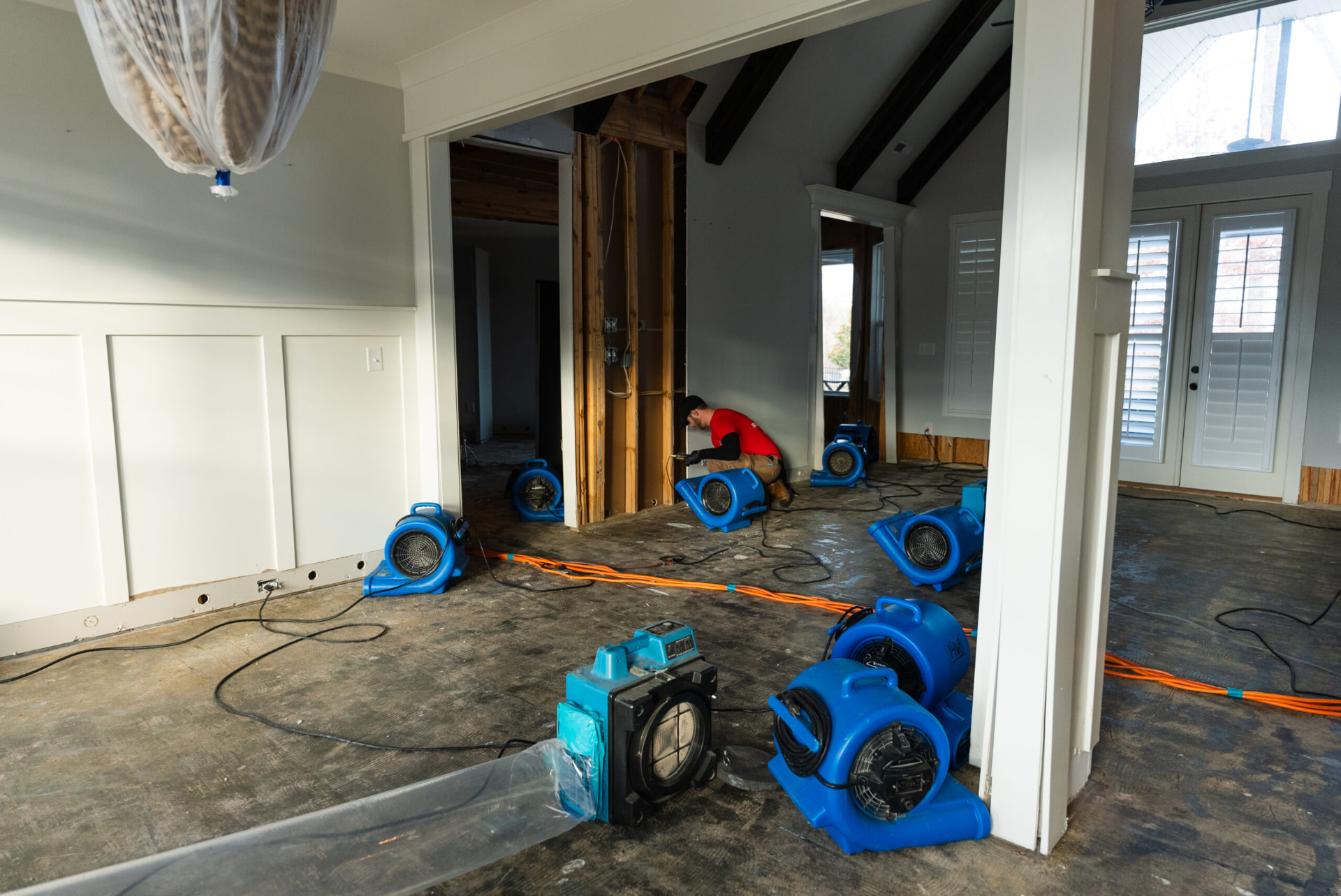
These are the wide-open searches — someone is orienting, not yet buying. If that's where you are: restoration is three distinct phases, and knowing which one you're in tells you what to ask for. Mitigation is the emergency phase — stopping the source, extracting water, setting equipment, containing contamination. It is time-critical and usually covered without argument. Remediation is the removal of the affected material: wet drywall, contaminated insulation, mold-colonized sheathing, soot-impregnated finishes. Reconstruction is putting the building back, and it is a separate scope with separate pricing.
A company that quotes all three as one lump number is not giving you something an adjuster can approve. Ask for them separated.
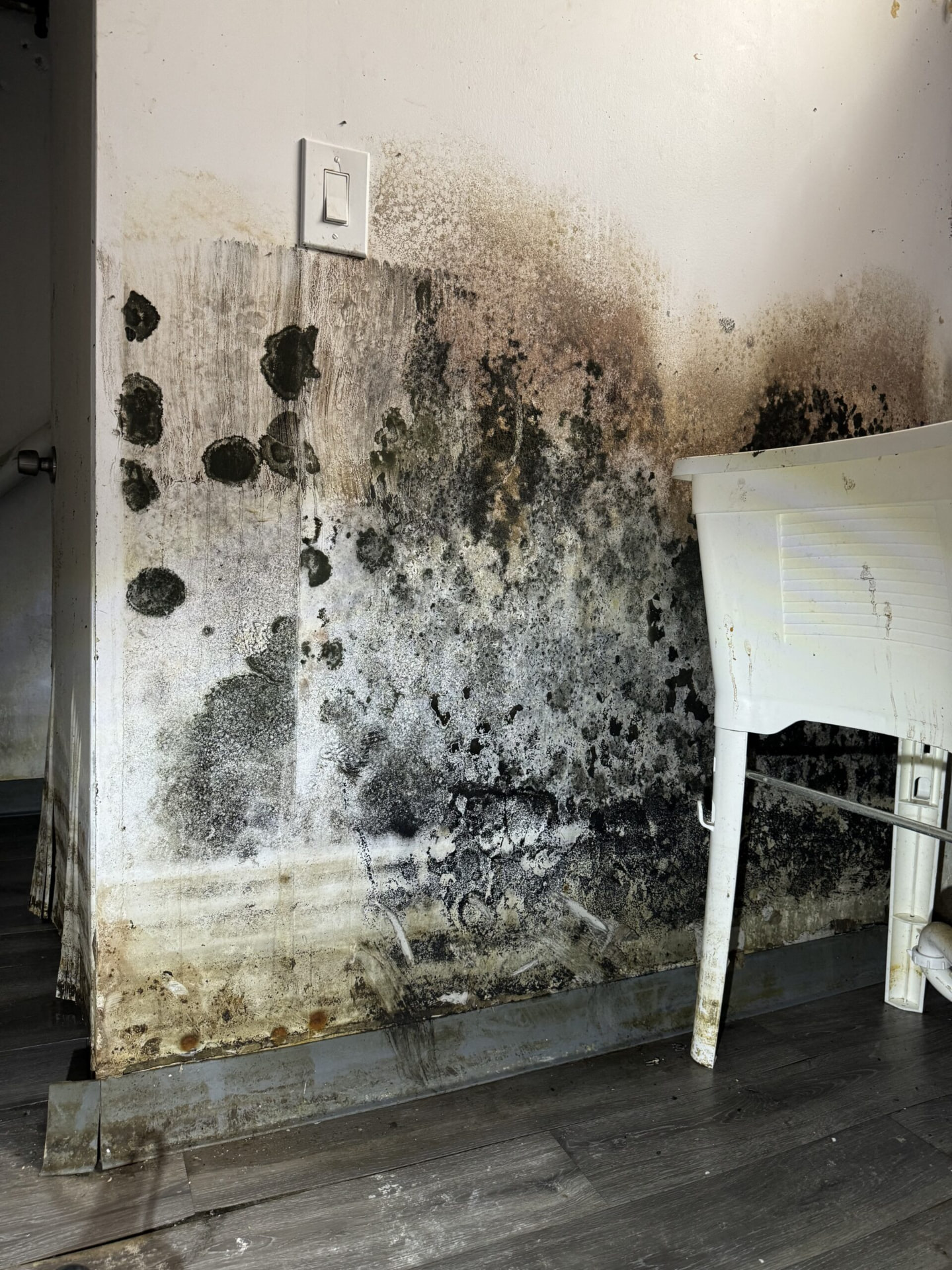
"Crawlspace mold remediation cost Tacoma," "burst pipe cleanup Bellevue condo"
The longer and stranger the search, the closer someone is to a real decision — and the more the answer depends on details. A crawlspace remediation in a 1940s Tacoma house with a dirt floor and no vapor barrier is a different job from the same square footage under a 1998 Puyallup rambler, because the moisture source is different and the correction is different. Anyone who quotes you a price for either without going under the house is guessing.
- Condo and townhome losses involve an HOA policy and a unit-owner policy — establish which one covers the source before demo starts.
- Rental turnovers have a habitability clock; document dates as carefully as moisture readings.
- Category 3 water (sewage, groundwater intrusion) requires removal of porous materials, not drying — no exceptions.
- Post-remediation clearance testing should be paid for by you and performed by a third party, never by the remediator.
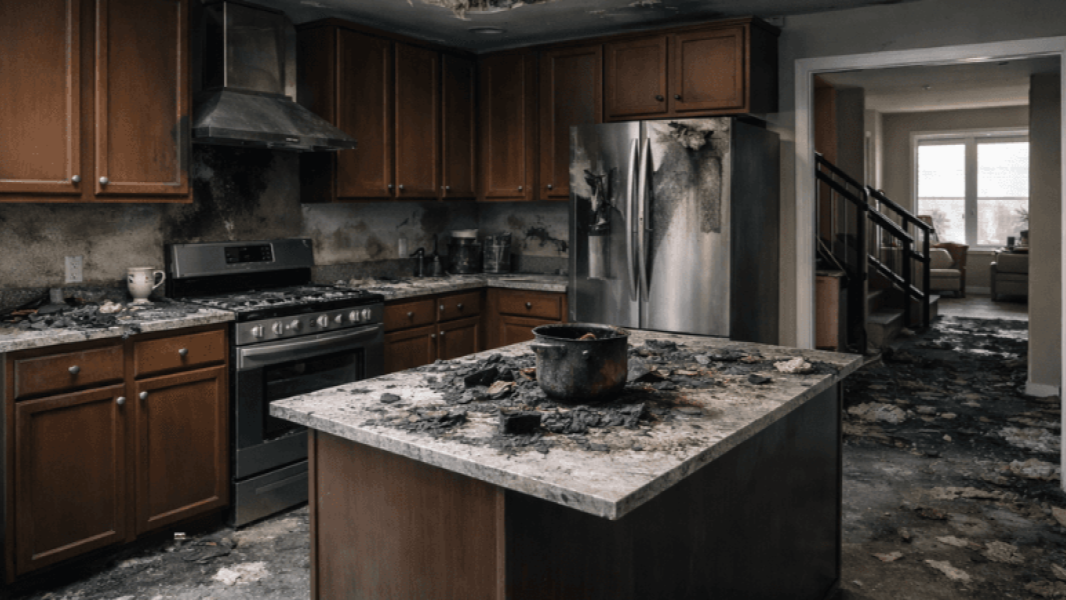
"Emergency water extraction open now," "who do I call after a house fire"
These searches happen with a flashlight in one hand. The order of operations matters more than the vendor you pick: shut off the water or gas, photograph everything before you move it, open the claim with your carrier yourself rather than letting a contractor do it for you, and only then bring in a crew. Do not sign a broad "direction to pay" or an assignment of benefits at the door — it hands your claim settlement to a company you met ten minutes earlier.
We keep intake on email for exactly this reason: a written record of what you reported and when, timestamped, is the single most useful thing you can have if a carrier later disputes the timeline.
Every situation we get asked about
If your problem is on this list, it's a job the crews we route to run routinely across King and Pierce County.
Water & flooding
- Burst or frozen pipe cleanup
- Water heater tank failure
- Dishwasher & washing machine overflow
- Toilet supply line and sewage backup
- Basement and crawlspace flooding
- Roof leak and attic water intrusion
- Storm and groundwater intrusion
- Hardwood floor buckling and cupping
- Ceiling water stains between condo units
- Structural drying and dehumidification
Fire, smoke & soot
- Kitchen grease fire cleanup
- Puffback from an oil or gas furnace
- Smoke odor removal and deodorization
- Soot removal from walls and ceilings
- Contents pack-out and cleaning
- Fire suppression water extraction
- Wildfire smoke infiltration
- Electrical fire damage repair
- Board-up and structural stabilization
- Post-fire reconstruction coordination
Mold & moisture
- Crawlspace mold remediation
- Attic mold from bath fan venting
- Black mold behind drywall
- Bathroom and shower surround mold
- Window condensation and sill rot
- Vapor barrier replacement
- Air quality and spore sampling
- Post-remediation clearance testing
- Pre-sale mold inspection
- Rental and multifamily mold response
The insurance side, in plain terms
Most restoration disputes are not about whether damage happened. They are about whether the damage was sudden and accidental — the phrase that decides coverage in nearly every Washington homeowner's policy. A supply line that bursts is sudden. A slow drip under a sink that rotted a cabinet base over two years generally is not, and neither is the mold that grew because of it. This is why documenting the failure point on day one matters so much: it establishes the event, not just the consequence.
A few things worth knowing before you file. Mitigation costs are typically paid even while the larger claim is still being evaluated, so there is rarely a reason to delay drying. Many policies cap mold remediation at $5,000 to $10,000 unless it results from a covered water loss, which is another reason the source documentation drives the outcome. Your deductible applies once per claim, not per trade. And you are never required to use a carrier's "preferred" vendor — you choose the contractor, the carrier prices the scope.
What actually moves a claim forward is a file the adjuster can price without a phone call: dated photos, daily moisture logs against a dry standard, equipment run times, and a line-item scope in standard estimating format. The crews we route to build that file as a matter of course, because it's also what protects them.

The first 24 hours, hour by hour
Restoration outcomes are decided early. Here's the timeline a well-run water loss follows in Seattle — and where jobs typically go wrong.
Hour 0–1
Stop the source and kill power to affected circuits. Photograph the failure point and standing water before anything is moved or mopped.
Hour 1–4
Bulk extraction. Every gallon pulled now is a gallon that doesn't have to be evaporated later, and extraction is far cheaper than drying time.
Hour 4–12
Inspection with moisture meters and thermal imaging to map how far water traveled. Wet material found now is material saved; found on day four, it's demolition.
Hour 12–24
Equipment set, containment built, and the first moisture log recorded. From here the job is measured daily until readings match a dry standard.
The 48-hour mark is the one that matters. Past it, mold growth becomes probable on cellulose materials, and a straightforward drying job turns into a remediation job with containment, negative air, and clearance testing. That single boundary is the reason emergency water requests get routed ahead of everything else in our queue.
Send my details nowChoosing a restoration company in Seattle

The restoration industry has a structural problem: demand arrives at the worst possible moment for the buyer. Nobody comparison-shops with two inches of water in the hallway. That asymmetry attracts out-of-area franchises and storm chasers who show up after a freeze event, sign as many jobs as they can, and subcontract the work.
A short list of questions separates them from real local operators. Ask who is physically performing the work and where their crew is based tonight. Ask for their Washington contractor registration number and confirm it. Ask whether their technicians hold IICRC WRT or AMRT certification, and how many are on the truck. Ask how drying will be verified — the correct answer involves daily readings and a dry standard, not "when it feels dry." Ask what happens if the scope exceeds the estimate. And ask them to put the mitigation, remediation, and reconstruction numbers on separate lines.
Two red flags are worth walking away over: a demand to sign an assignment of benefits before an inspection, and a refusal to provide daily documentation. Both transfer risk from the contractor to you.
Seattle Rapid Restoration exists to shorten that vetting process. We are not a contractor and we do not perform the work. We take your details, match you with a licensed, IICRC-trained restoration company that actually works your area of King or Pierce County, and step aside. The assessment is free, there's no fee to you, and no obligation to hire anyone we introduce.
Popular city guides
Local conditions, neighborhoods, and ZIP codes for the areas we cover.